News
Read the latest news and events from CorrHealth and the correctional healthcare world.
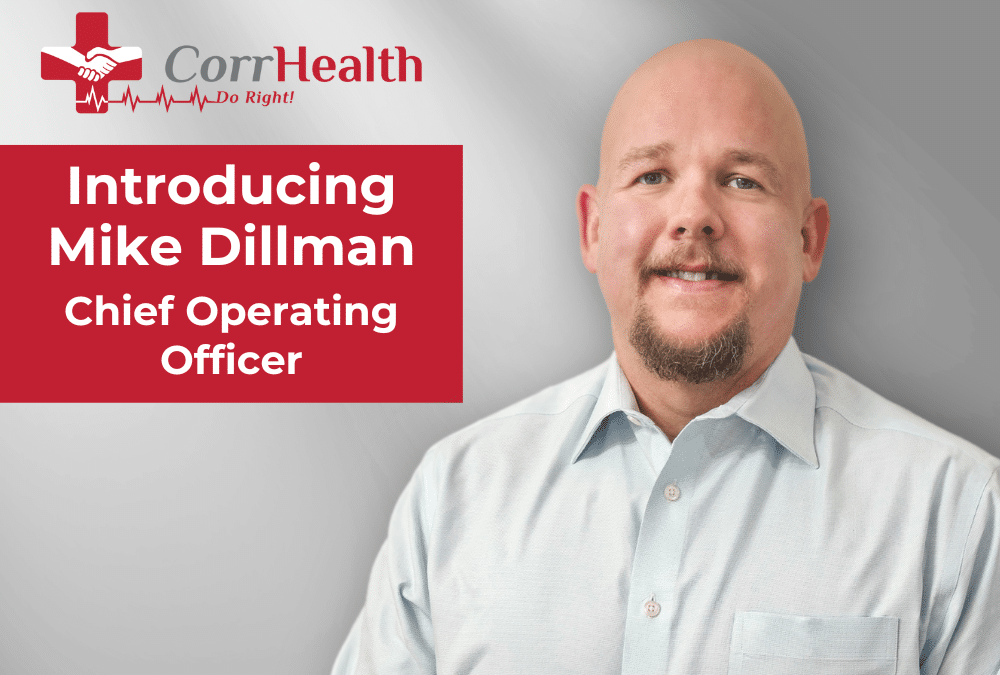
Introducing Mike Dillman: CorrHealth’s Chief Operating Officer
CorrHealth, an agent of positive change in correctional healthcare services, proudly introduces Mike Dillman, MSN, RN, CEN, as its Chief Operating...
“The First Cut is the Deepest.” – Non-suicidal Self-injury In a Corrections Environment
Non-suicidal self-injury (NSSI) presents a complex and challenging issue within the realm of corrections psychiatry, requiring a nuanced...
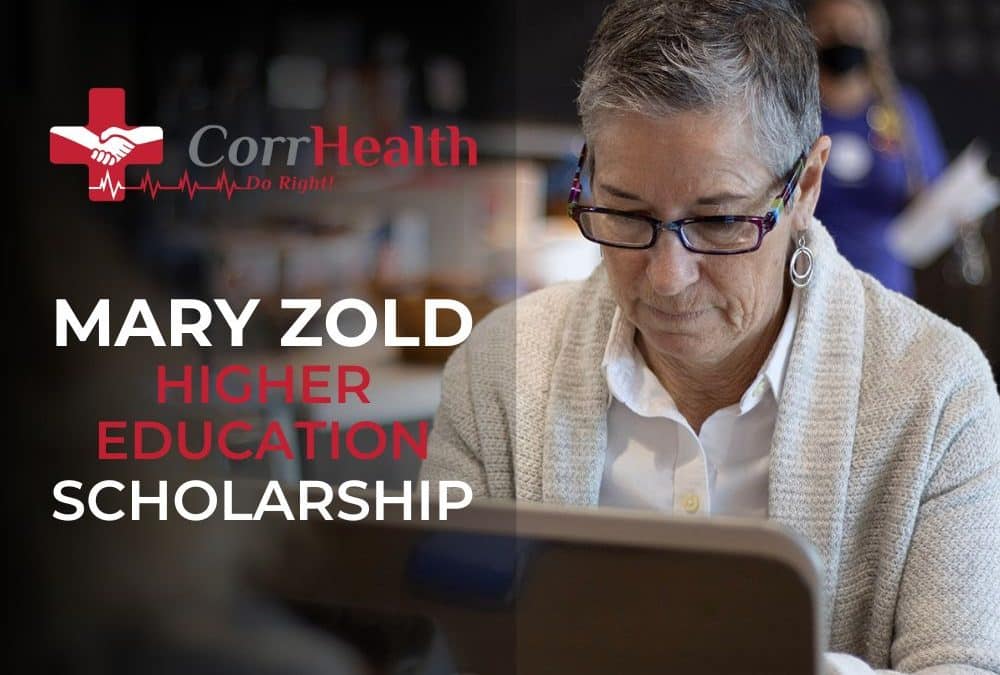
CorrHealth Introduces The “Mary Zold Higher Education Scholarship”
There are those in life that leave an indelible mark on us and our lives, they teach us, they inspire us, they make us better and they make a...
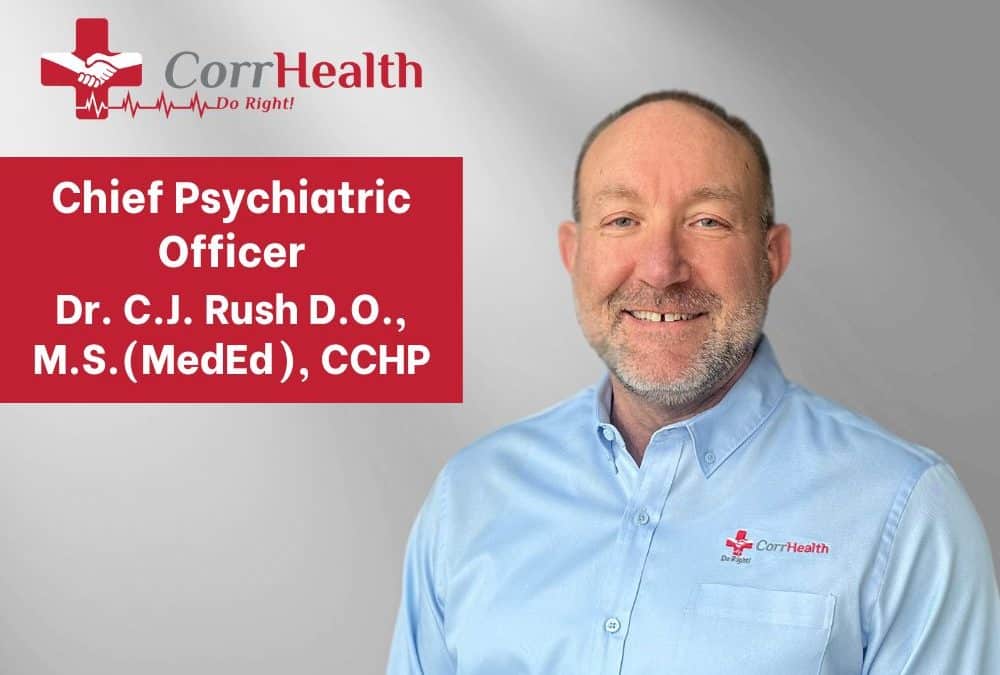
Meet Chief Psychiatric Officer, Dr. C.J. Rush D.O., M.S.(MedEd), CCHP
We are thrilled to introduce Dr. C.J. Rush, a distinguished professional in the field of psychiatry and addiction medicine, as our Chief Psychiatric...
Nourish Your Mind: The Impact of Nutrition on Mental Health
From our early years, we learn that maintaining a healthy diet contributes to our physical well-being. However, what goes unmentioned is the...
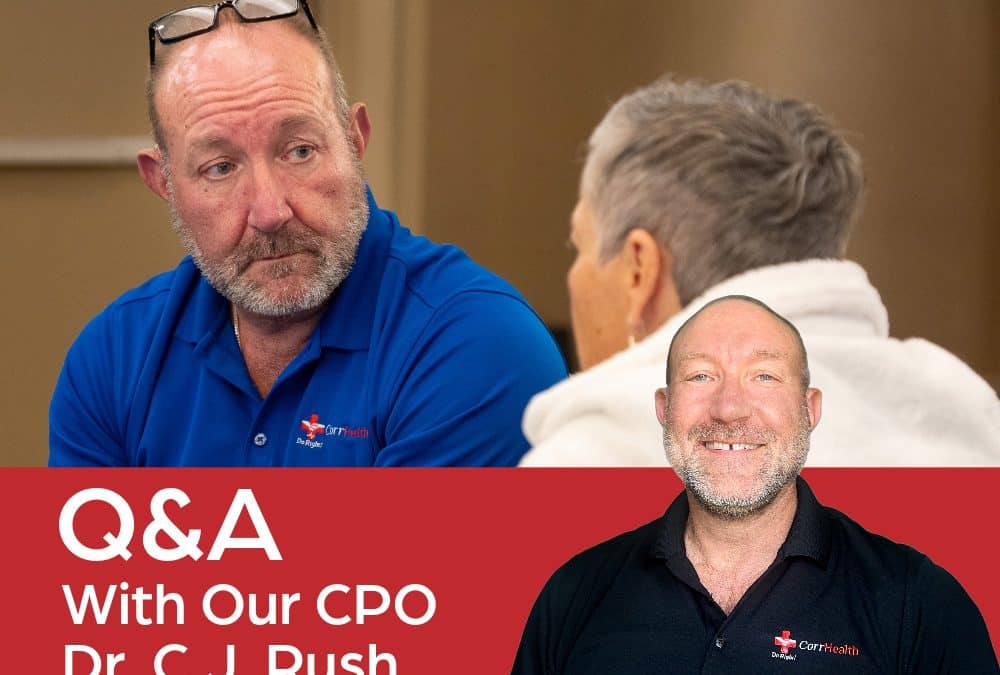
Q & A with Dr. C.J. Rush, CPO
This Question & Answer session with Dr. C.J. Rush, our Chief Psychiatric Officer (CPO), provides insight into his passion for our patients'...
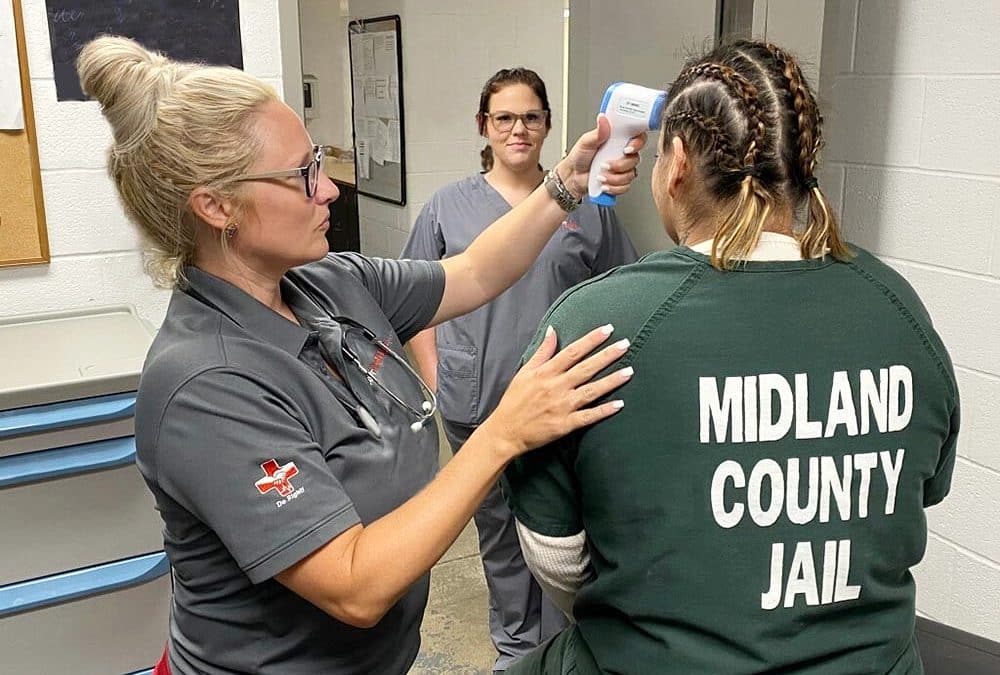
“I Haven’t Seen A Doctor In Years”
“Thank you, I haven’t seen a doctor in 5 years.”, says the inmate to one of our nurses. This situation is an unfortunate reality for a vast...
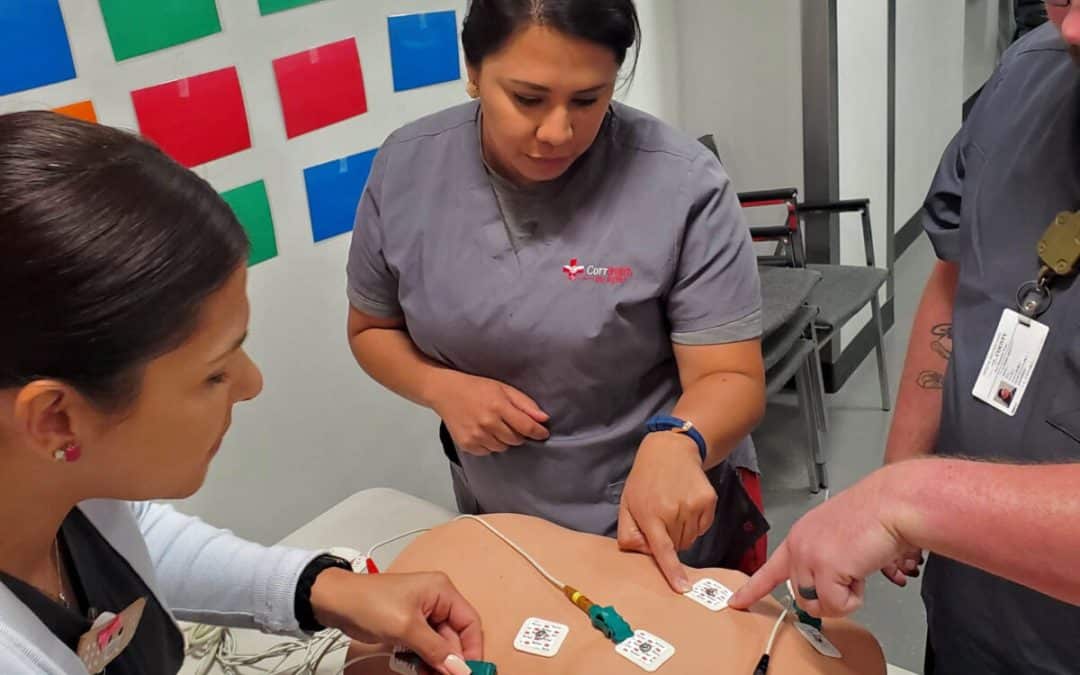
Help Prevent Nurse Burnout
Younger nurses have the highest turnover rates. Partly due to the lack of variety of specialty options and opportunities in nursing. Luckily, due to...
Recent Posts
Meet Jim Garland: Championing Mental Health at Garfield County Jail
Meet Jim Garland, one of our dedicated team members at the Garfield County jail. Jim serves as a source of support and guidance in his role as Mental Health Professional. A dedicated and compassionate listener, Jim’s work is vital to the well-being of both the inmate patients he serves and the broader team he works alongside each day.
The Importance of Community-based Mental Health Care Following Incarceration
The transition from incarceration to the community presents many challenges, particularly for individuals battling a serious mental illness (SMI). This transition period is filled with stressors, like securing stable housing, economic instability, re-establishing familial relationships, and navigating employment opportunities. Clearly, there is a necessity for tailored support systems that prioritize rehabilitation over punishment.
Jerika Trujillo: Supporting Team Members with Dedication and Heart
At CorrHealth, the success of our team is driven by individuals who work tirelessly behind the scenes to support our mission and values. Today, we’re excited to highlight the incredible work of Jerika Trujillo, our People & Culture Coordinator. Jerika plays a vital role in ensuring that our team members feel supported and that operations within our People & Culture department run smoothly. Her journey with CorrHealth, coupled with her commitment to “Do Right,” makes her an integral part of our team.
CorrHealth: Strengthening Community Bonds Through Giving in 2024
At CorrHealth, our mission to “Do Right” extends far beyond providing exceptional healthcare within correctional facilities. We are deeply committed to making a difference in the communities we serve. In 2024, this commitment translated into over $41,000 in donations, sponsorships, and contributions that supported meaningful causes and brought positive change to countless lives.
The Importance of Medication-Assisted Treatment Programs in Correctional Facilities
The opioid epidemic is a highly significant public health crisis ongoing in the United States, claiming the lives of tens of thousands across the country yearly. Some of the most vulnerable yet most commonly overlooked populations involved in this crisis are incarcerated individuals. It has been found through research that there is a high representation of people with substance use disorder within correctional facilities. Medication-assisted treatment (MAT) programs have emerged as an important intervention to address opioid use disorder among incarcerated populations, offering a path toward recovery, reducing recidivism, and enhancing public safety.